Reflections of God - Jaubi
a psychological and PHILOSOPHICAL analysis on music - lets dive in.
This piece was written by JANEYS JUKEBOX and Jenny Ekeziem (UCD Psychology Graduate)
“Reflections of God” opens with a bright, refreshing mix, allowing the listener to feel as if they’re outside, breathing fresh air even if they are sitting in the stillness of their room. This is a piano led ballad fused with Pakistani drone like instruments whereby the music itself flows like the wind: natural and alive. The title of this song sets a tone which prepares the mind for calm and depth. It allows the listener to surrender.
My advice when reading this JOURNALISTIC analysis, is to simultaneously listen to the song to get the full experience!
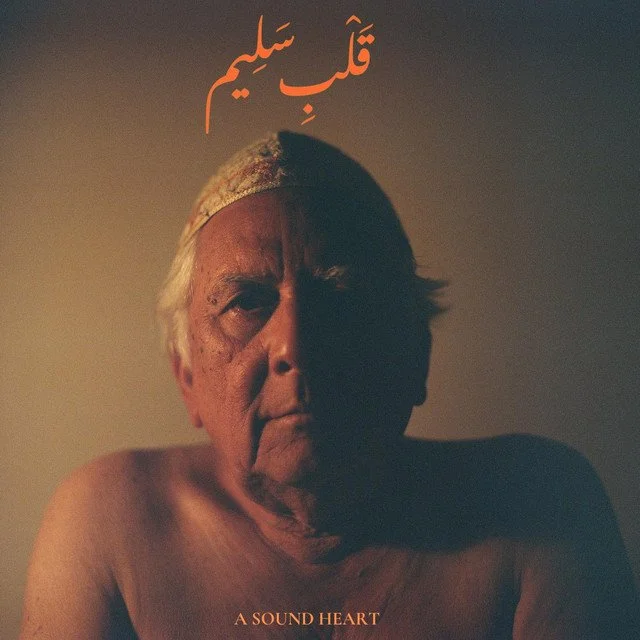
“A Sound Heart, Jaubi”
How Rythm (or the lack of) evokes images, feelings and spirit.
This ballad is non-lyrical. It explores how humans and nature mirror each other. This piece is in free time - meaning there is no beat or time signature. It is a free flow rhythm. Flowing arpeggios and melodic motifs on the piano rise and fall which help to create a natural fluidity, evoking an image of nature; like ocean tides or leaves rustling in the wind. Fluidity of the wind, mimicking a comb through fine hair, echoing the sound of one, of the reflections of God.
Modal Sound & mystery
This track comes from a cross-cultural collaborative, Pakistani instrumental quartet. What a beautiful mouthful. A drone like-modal instrument accompanies the piano. Its melody doesn’t mimic the piano but empathises with it, feeling alongside it. Modal music, unlike tonal music (which has a clear tonic and dominant chord) doesn’t rely on the tonality of major or minor keys, therefore it creates more space for melodic expression. Modal music doesn’t tell you what to feel, it gives you the space to decide how you feel. Literally like nature, it is a reflection of something greater than rules and boundaries.
Psychology of how this non-lyrical ballad makes you feel - “what is my brain doing?” “why am i feeling this way?”
To get very technical here, in neuroscience, emotions are processed by the limbic system in the brain (primarily the amygdala). A non-lyrical song allows the listener to engage deeply with rhythm, tempo, tone and harmony. The drone-like instrument sounds like its wailing, which triggers an emotional affect in the brain through embodied cognition. The music shapes the rhythm of our body. Its slow, fluid, pulling our heart in a mournful way and into a reflective space. It allows our bodies to be in a state of rest and digest - activating our parasympathetic nervous system. How riveting! A song that penetrates into our emotions so profoundly, our body responds on a CELLULAR level.
This song becomes a mirror, a mirror for memory. It taps into a reflective, cathartic and evocative space. This non-lyrical sound becomes a vessel to our forgotten emotions, allowing the listener to write their own story. This song involuntarily retracts our inner light into the world to see how nature and humans are ever so similar. It allows us to personify and empathise with nature, the same way the drone-like instrument empathises with the piano - true reflections of God all around. What better way to convey a message than to feel it, hear it and experience it.
Official Audio - Reflections of God by Jaubi
